ShoppingCart.current.id[o22903091]
ShoppingCart.current.country[US]
ShoppingCart.persistOrders[true]
ShoppingCart.persistOrdersForAnonymousUsers[false]
  • United States(Change)
  • Contact and Support
  • My Account
    close
    • My Account
    • My Viking Kitchen
    • Product Registration
    • Orders
    • My Quotes
    • Address Book
    • Profile
  • Login
    New Account
    Returning Member
    close
    Create New Account
    Forgot password?
    Remember me?
  • Request a Quote
  • (0)
    Your shopping cart is empty. close
    Continue Shopping

Viking: Professional Performance for the Home

Owner's Exclusive Link

= Owner's Exclusive Content

  • Products
    • Cooking
    • Ventilation
    • Refrigeration
    • Wine Cellars
    • Kitchen Cleanup
    • Outdoor
    • Cookware
    • Cutlery
    • Accessories
    • 3-Year Signature Warranty
    • Brochures
    • Product Videos
    • FAQs
    • Specifications and Documentation
  • Where to Buy
  • Cooking School
  • The Viking Life
    • Food and Wine
    • Events and Travel
    • Our Favorites
    • Videos
  • About Viking
    • New at Viking
    • The Viking Story
    • The Viking Commitment
    • Careers
    • Other Viking Sites
  • Design Resources
    • Featured Designers
    • Designer Kitchen Gallery
    • Viking Kitchen Gallery
    • Planning and Design

Growing Your Own Vegetables
By Barb Jones
Growing Your Own Vegetables
Whether you build your own flower-box (veggie-box) or purchase one, container gardening can provide relaxation, fun, and a bounty of fresh vegetables.

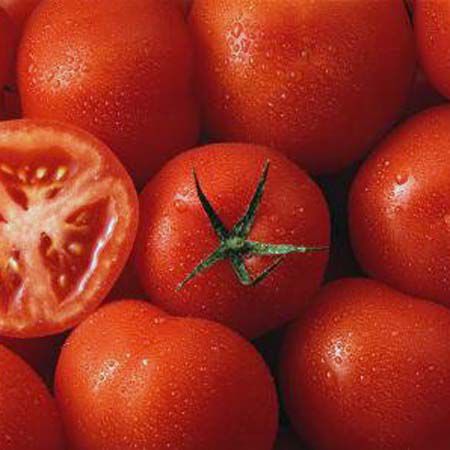
Spend some time thinking about what kind of vegetables you want to grow. Cherry tomatoes are always a great choice, as are leaf lettuces and radishes. There are over 6,500 varieties of tomatoes – the choices, varieties, and colors are endless. Throw in some arugula or cilantro to add interest and introduce yourself to new flavors. Follow the tips below and you can grow your own salad!

When determining how to proceed, be sure the container box has drainage holes. Purchase high-quality potting soil, which you can buy at any garden center. You will also need a small bag of vermiculture compost mix to feed the plants. (Vermiculture is the cultivation of worms to break down waste. The worm casts contain recovered nutrients that can then be used for fertilizer or soil conditioning.) Check the seed packet for growth time, and compute the date you want to start the seeds. If beginning from seed, start them indoors. Place your plants in good light; be sure there are no chilly drafts or too much heat.  
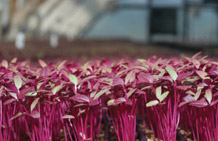
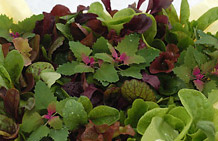
burgundy amaranth


small lettuce
Once your plants are ready to go outside, place them in an outdoor container and determine the best placement for your box. If possible, position your veggie-box so that it has southern exposure. If this is not possible, consider putting a plastic sheet next to the box to avoid cool winds in early spring. Fill your flower box with about 1 ½ inches of ¾” diameter gravel. Mix the potting soil and vermiculture compost, (the ratio of this mix is 5% of the volume of the soil) and top the gravel with the mixture.

Gently transplant your seedlings into the pot, and make sure the root system is at least two to three inches in the ground, packed down lightly. The first time you water you want to get the soil damp, not soaking. Over-watering is the worst enemy of any kind of plant!

Perhaps you want to place your tomato plant in the center of the box, surrounded by the lettuce and radishes and other veggies you have chosen. After the tomato plant has started to gain its leaves, prune the plant to one main stem so that it grows straight up and does not become bushy. Later, you may have to add a stake or a sturdy piece of twine to allow for vertical growth.

Remember to not over-water your plants. To feed them, mix a tablespoon of vermiculture into a gallon container of water. Allow this mixture to remain in the sun for several days. Shake up the contents daily, and use this mixture for watering. It will add nutrients and provide the active soil biology necessary for good plant growth.  Another tip to remember — avoid chemical plant foods. You are what you eat!

Products:

  • VCSR Paring Knives

The Culinary Vegetable Institute (CVI) is a culinary educational center surrounded by a working farm in a pristine, rustic, riverside setting. The lodge houses a state-of-the-art kitchen facility surrounded by the finest kitchen garden imaginable. It boasts some forty acres of heirloom vegetables new to The Chef’s Garden Farms and available for chefs and foodies to sample.More.

close x
  • Food and Wine
    • Recipes
    • Food and Wine Articles
    • Cookbooks
    • Thought Leaders
  • Events and Travel
  • Our Favorites
  • Videos
  • Products
    • Cooking
    • Ventilation
    • Refrigeration
    • Wine Cellars
    • Kitchen Cleanup
    • Outdoor
    • Cookware
    • Cutlery
    • Accessories
    • 3-Year Signature Warranty
    • Brochures
    • Product Videos
    • FAQs
    • Specifications and Documentation
  • Where to Buy
  • Cooking School
  • The Viking Life
    • Food and Wine
    • Events and Travel
    • Our Favorites
    • Videos
  • About Viking
    • New at Viking
    • The Viking Story
    • The Viking Commitment
    • Careers
    • Other Viking Sites
  • Design Resources
    • Featured Designers
    • Designer Kitchen Gallery
    • Viking Kitchen Gallery
    • Planning and Design
  • Utilities
    • View Cart
    • Request a Quote
    • My Account
    • My Viking Kitchen
    • Register Products
    • Customer Service
    • Email Updates
    • Shipping and Returns
    • Privacy Policy
    • Terms and Conditions
    • Purchase Agreement
    • Safety Recall Information
    • International
    • Site Map

© 2001-2013 Viking Range, LLC. All Rights Reserved.

  • Options
  • Installation Accessories
  • Accessories
  • Edit
  • Previous
  • Next
  • Save to My Quote